Focused arrival windows
Useful updates and clear arrival timing.
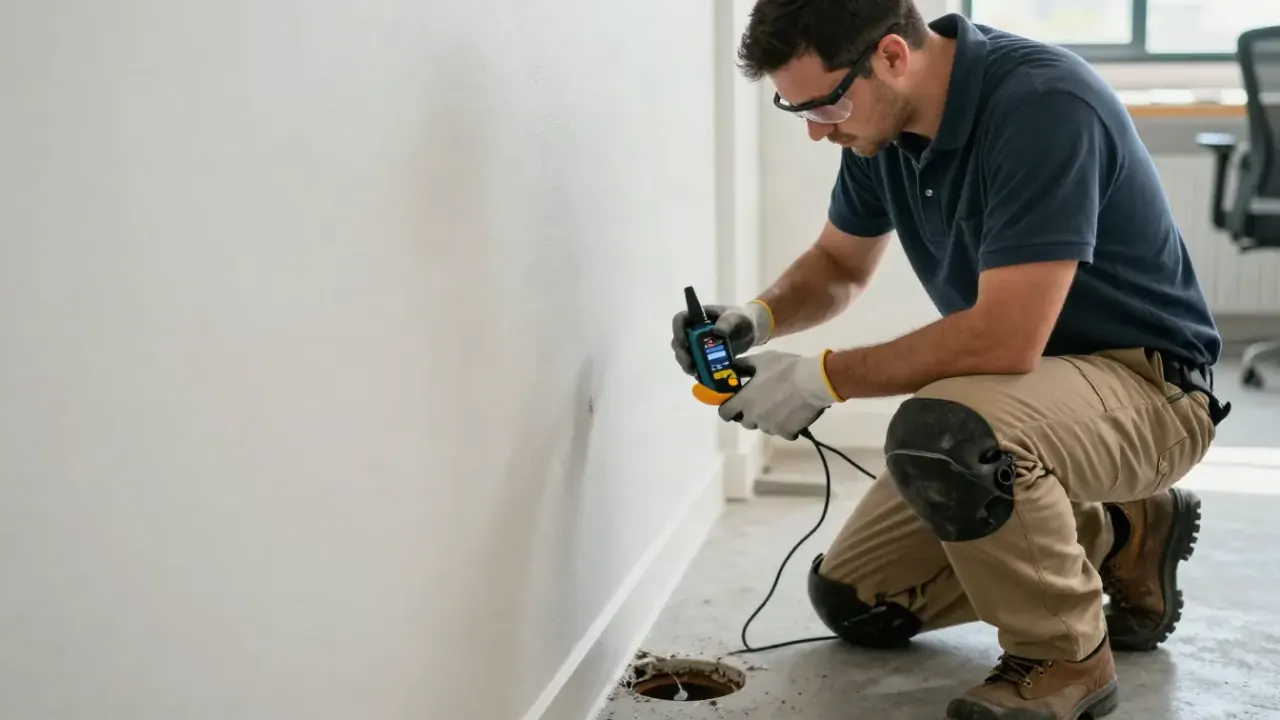
Commercial Plumbing Leak Location Spring TX is the service that finds hidden water leaks in offices, retail centers, and warehouses before they wreck your floors and water bill. If your commercial building in Spring, Texas is showing a spike in water use or a damp wall, our licensed technicians trace the source with acoustic leak detection equipment and thermal imaging cameras. We work around your business hours, and we tell you exactly where the leak is before anyone cuts into concrete.
Useful updates and clear arrival timing.
Review the approach and price before deciding.
Equipped vehicles and respectful cleanup.
Neighbors serving neighbors with follow-through.
Every commercial leak location visit covers the diagnostic work needed to find the leak and hand you a repair-ready report. If the fix requires a repair we do not perform, we mark the spot and refer you to a trusted contractor. Here is what is included in a standard visit.
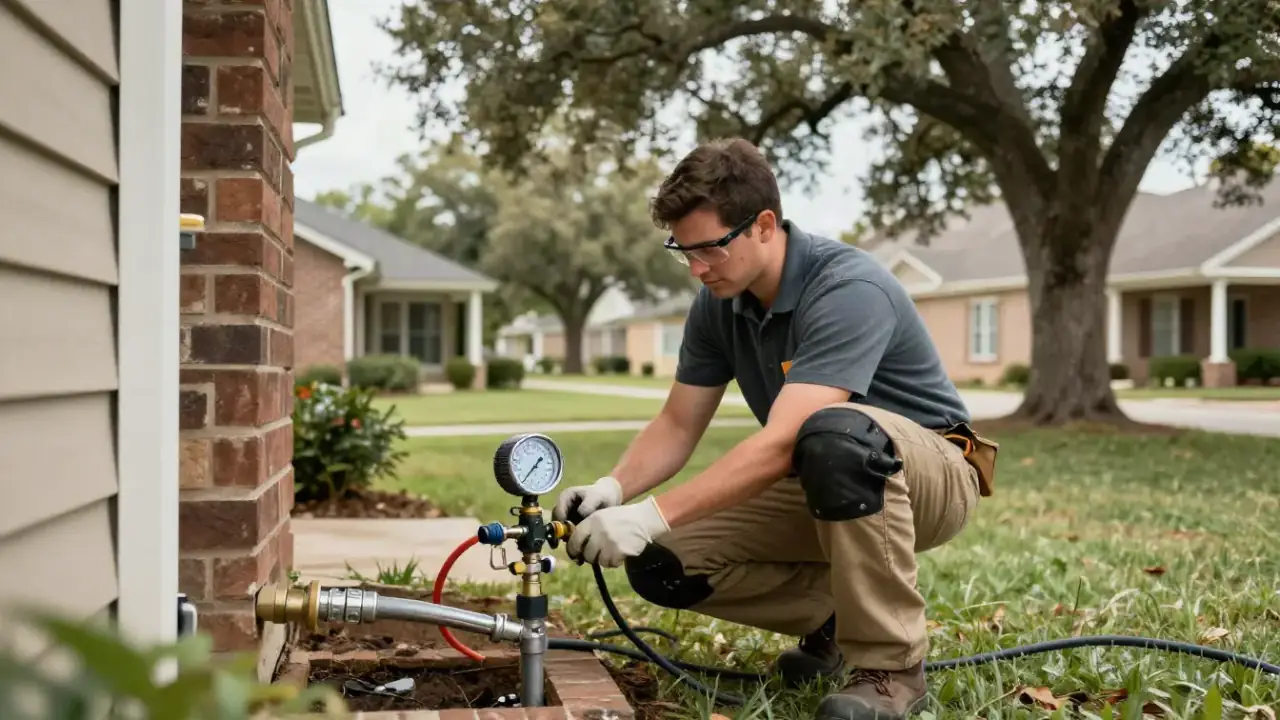
We isolate the building from the city main and pressurize the domestic water system with a pressure testing kit. A pressure drop confirms a supply-side leak and tells us which zone to focus on. This step takes 20 to 40 minutes and is included in every visit.
We walk the suspect lines with acoustic leak detection equipment and a thermal imaging camera. The acoustic mic hears water escaping under pressure, and the camera shows the temperature difference where it pools. Both tools are included, no upcharge for using the right equipment.
We take moisture meter readings at walls, floors, and ceilings near the suspected leak. The readings document the extent of the moisture and give you a baseline to compare after the repair. This is the data your insurance adjuster will ask for.
Once we confirm the location with a second method, we mark the spot with paint and note the depth and pipe material. Your repair crew knows exactly where to open the floor or wall. No exploratory demolition on your dime.
You get a written report with photos, moisture readings, the marked leak location, and a recommended repair path. Property managers use it for owner updates and insurance claims. It is the same documentation we would want if we were paying the bill.
Share what is happening and receive a clear next step from the local team.
Commercial Plumbing Leak Location Spring TX is a diagnostic service that pinpoints where water is escaping from a commercial plumbing system without tearing the building apart. We pressurize lines, listen for the signature hiss of a hidden pipe leak, and scan walls and slabs with a thermal imaging camera to map temperature differences. On a typical 20,000-square-foot Spring office building, we can isolate a slab leak or underground pipe leak to within a few inches in two to four hours, which saves thousands in exploratory demolition.
Spring sits on expansive clay soil that shifts with every wet and dry cycle, and that movement cracks copper pipe and PVC pipe under slabs and parking lots. Commercial properties along FM 1960 and in the 77373 and 77387 ZIP codes see it constantly. If you are searching for commercial plumbing leak location Spring TX near me, our team handles high water bill investigation, water meter leak diagnosis, and after-hours commercial leak detection Spring TX 24/7 so your tenants never lose a day of business.
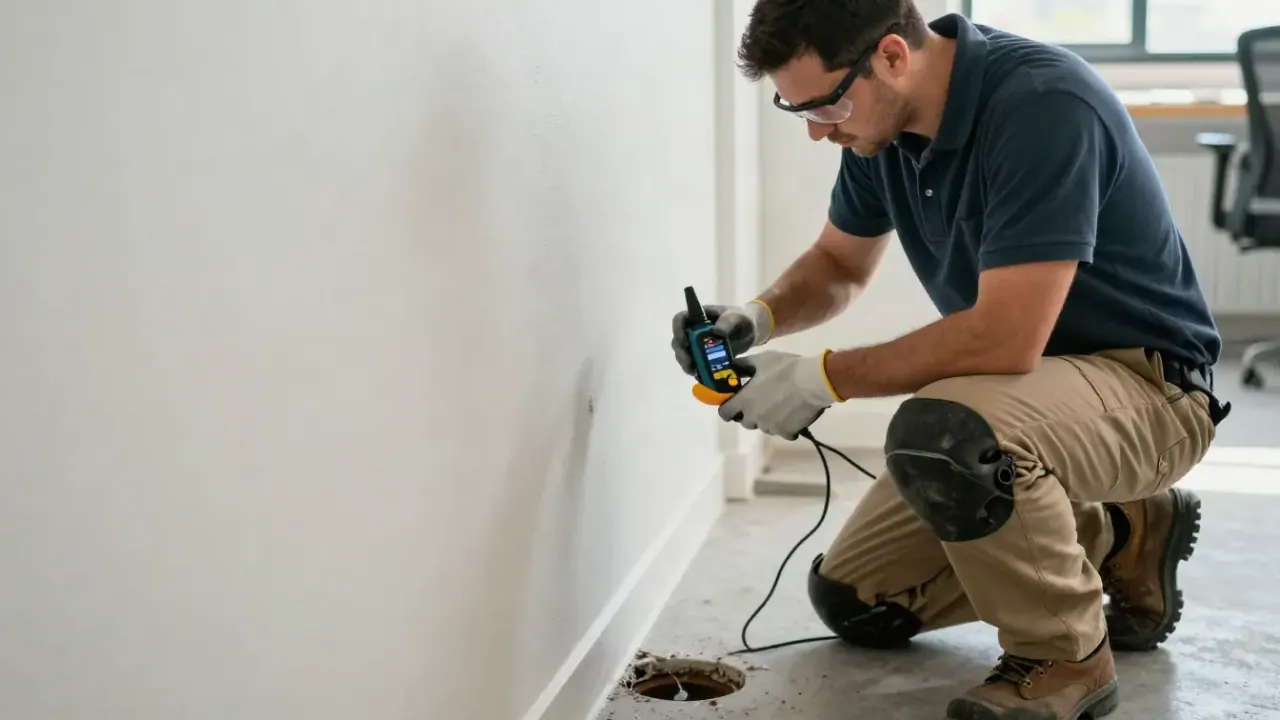
You call (281) 248-8538 and describe the symptom: high water bill, wet carpet, meter spinning with everything off. We ask the questions that narrow it to a supply leak, drain leak, or irrigation issue. Most calls are scheduled within 24 hours, and true emergencies get a same-day window.
On site, we isolate the building from the city main and pressurize the domestic water system with a pressure testing kit. If pressure drops, we know the leak is on the supply side. This step takes 20 to 40 minutes and tells us which half of the building to focus on.
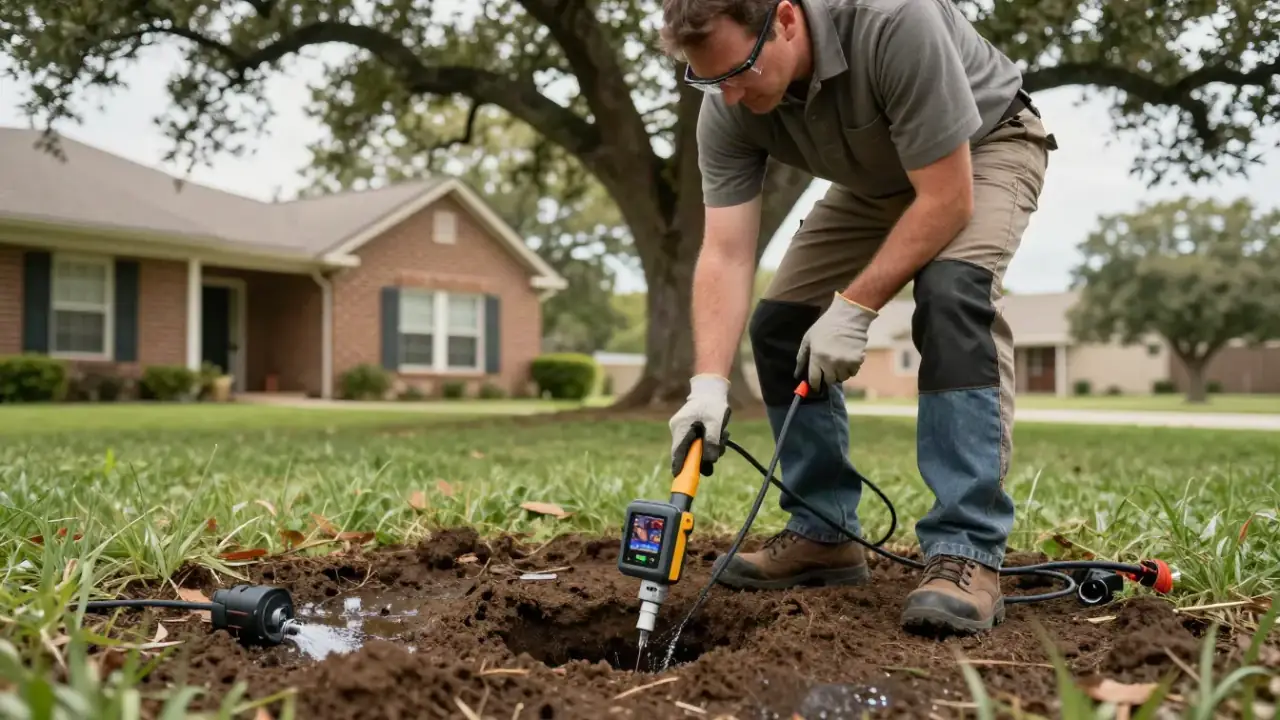
We walk the line with acoustic leak detection equipment and a Fluke thermal imaging camera. The microphone picks up the sound of water escaping under pressure, and the camera shows the cool spot where it pools. Together they pinpoint slab leaks and underground pipe leaks to within a few inches.
Before we leave, we confirm the location with a second method, usually a moisture meter or a Sewerin correlator, and mark the spot with paint. You get a written report showing the leak point, pipe material, and depth. No surprises when the repair crew opens the floor.
If you have your own plumbing contractor, we hand off the marked location and report. If you want us to handle it, we repair the line with trenchless repair equipment or pipe repair clamps and test it before we leave. Either way, you get a dry building and a documented fix.
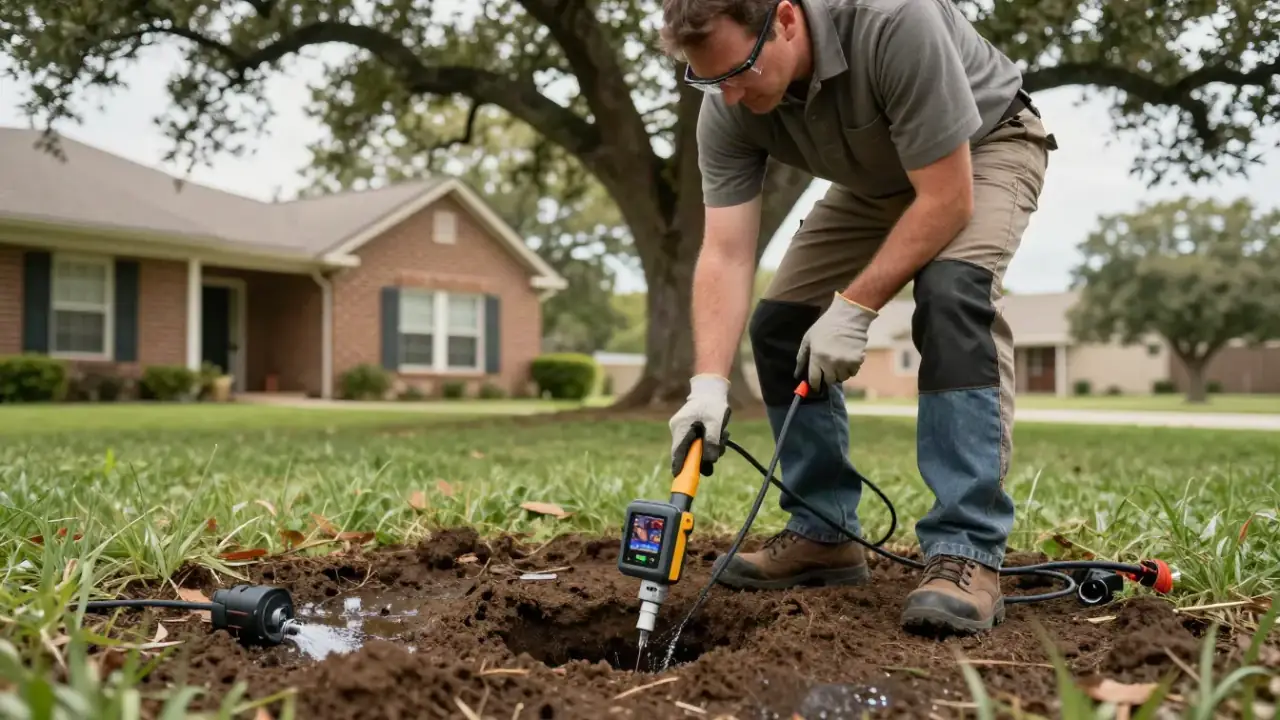
Amplifies the sound of water escaping under pressure so we can hear a hidden pipe leak through concrete, soil, or drywall. It is our first tool on every commercial job.
Shows temperature differences on walls and floors, revealing where leaking water has cooled the surface. We use it to trace slab leaks and ceiling leaks without opening anything.
Isolates and pressurizes the building water system to confirm a supply-side leak and narrow the search to one zone. A pressure drop is our first hard evidence.
Maps the path and depth of underground lines before we mark a leak point, so the repair crew knows exactly what they are opening and how deep it sits.
Lets us look inside drain and supply lines to confirm cracks, root intrusion, or failed fittings that acoustic tools can only suggest.
Compare sound signals at two points on a line to calculate the exact leak position. We use them to confirm acoustic findings on long commercial runs.
Documents the extent of moisture in walls, floors, and ceilings. The readings give you a baseline for insurance claims and post-repair comparisons.
We close valves to separate the building loop, irrigation, and service line, then pressurize each zone independently. A pressure drop tells us which zone holds the leak. This method follows International Plumbing Code (IPC) testing practice and takes 20 to 40 minutes per zone.
We walk the suspect line with acoustic leak detection equipment, listening for the frequency of water escaping under pressure. On a commercial slab, we can narrow the leak to within a few inches. We confirm every acoustic hit with a second method before marking.
A Fluke thermal imaging camera shows the cool spot where leaking water has changed the surface temperature. We use it on walls, ceilings, and floors to trace the leak path. It is especially effective on slab leaks and ceiling leaks where moisture is hidden.
For hard-to-find leaks in drains or pool plumbing, we introduce a tracer gas or dye and watch where it escapes. This method confirms leaks that acoustic and thermal tools cannot isolate, especially on irrigation and sprinkler systems.
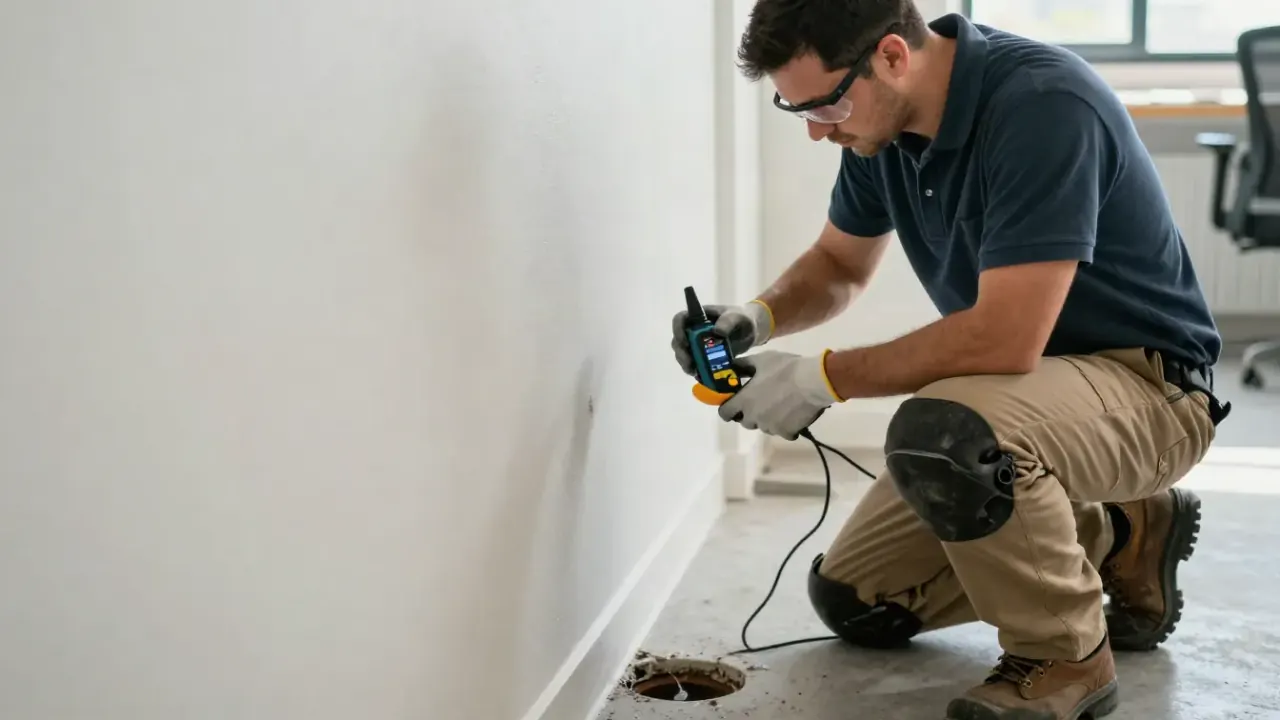
We pressurize the building loop, isolate the irrigation and service line, and sweep the slab with acoustic and thermal tools. The leak turns out to be a pinhole in a copper pipe under a tenant's sales floor. The leak is marked, the repair crew opens one 2-foot section, and the next bill returns to normal. Total diagnostic time: three hours.
We use a thermal imaging camera and moisture meter to rule out the roof and trace the moisture to a supply line behind a wall. A pressure test confirms the leak is on the domestic system, not the drain. The wall is opened at one spot, the failed fitting is replaced, and the stain does not return. The tenant never had to relocate.
We dispatch a tech within the hour, locate the underground pipe leak on the water service line with acoustic equipment, and shut down the line to stop the flooding. The restaurant opens on time the next morning. The service line is repaired the same day with minimal excavation.
We test the building supply, irrigation, and service line separately. The irrigation loop is losing water through a failed zone valve, not the building plumbing. The irrigation repair is simple and inexpensive, and the property avoids an unnecessary slab investigation. Diagnostic time: 90 minutes.
Spring's expansive clay soil is the biggest factor in commercial leak location here. The soil swells when it is wet and shrinks when it dries, and that movement cracks copper pipe, PVC pipe, and CPVC pipe under slabs and parking lots. Buildings along the FM 1960 corridor and in the 77373 and 77383 ZIP codes see it most. Summer heat pushes irrigation systems to run daily, which exposes failed zone valves and cracked laterals. Winter freezes are rare but real, and a hard freeze can split a backflow assembly or an exposed service line overnight. We work to the International Plumbing Code (IPC) and Uniform Plumbing Code (UPC), and we know how Harris County inspectors want commercial repairs documented. If you need business water leak detection Spring, Texas after hours, we run 24/7 dispatch and can be on site inside 90 minutes for most commercial addresses.
Older commercial buildings with original copper pipe and cast iron drains. Leaks here often trace to failing solder joints and corroded fittings behind walls.
Larger retail and office centers with extensive irrigation. We frequently isolate irrigation loop leaks from building supply leaks here.
Slab-on-grade office buildings where clay soil movement causes underground pipe leaks under tenant spaces.
Multi-tenant properties with complex domestic water and fire line systems. Zone isolation is essential before any repair.
Cracks copper and PVC pipe under slabs and parking lots. We see a spike in slab leaks after long dry spells followed by heavy rain.
Daily watering exposes failed zone valves and cracked laterals. We isolate the irrigation loop first to rule it out before testing the building.
Split backflow assemblies and exposed service lines. We prioritize these calls after a freeze because water loss can be immediate and severe.
Original copper pipe in older Spring properties is prone to pinhole leaks. We use acoustic tools tuned to the frequency of small pinhole escapes.
A 12,000-square-foot retail center had a water bill jump from $600 to $1,500 in one month. The meter spun with every fixture off. The owner feared a full slab tear-out and a week of lost rent.
We isolated the building loop, pressurized it, and found a pinhole copper pipe leak under a tenant's sales floor in two hours. The repair crew opened one 2-foot section, fixed the pipe, and the next bill returned to $610.
Maintenance: We recommended a quarterly meter check and a pressure test every six months. Catching a pressure drop early keeps a pinhole from becoming a slab break.
A ceiling stain kept returning after every rain. The property manager had the roof inspected twice with no finding. Tenants complained about a musty smell, and the stain was spreading.
A thermal imaging sweep found a supply line leak behind the wall, not a roof issue. We marked the spot, the wall was opened at one location, and the failed fitting was replaced. The stain did not return after the next storm.
Maintenance: We suggested moisture meter readings at the same spot every quarter. A slow rise in readings means a new leak before the stain reappears.
Water was coming up through the parking lot at 11 p.m. on a Friday. The restaurant faced a flooded lot and a closed Saturday if the leak could not be found and stopped that night.
We dispatched a tech within the hour and located an underground pipe leak on the water service line with acoustic equipment. We shut the line down, the restaurant opened on time Saturday, and the line was repaired the same day with minimal excavation.
Maintenance: We recommended an annual service line pressure test and a check of the backflow assembly before winter. Early detection avoids another emergency call.
Most commercial leaks announce themselves as a bill, a stain, or a puddle. By the time you see the symptom, the leak has usually been running for weeks. These are the problems we diagnose most often in Spring commercial buildings.
A hidden supply leak can waste 30,000 gallons a month and add thousands to your bill before you see a drop of water. We isolate the system, pressurize it, and sweep with acoustic and thermal tools to find the leak without opening a floor. Most high water bill investigations in Spring finish in under three hours with a marked leak point and a written report.
A slab leak under a tenant space damages flooring, breeds mold, and forces you to relocate tenants while repairs happen. We use a thermal imaging camera and moisture meter to trace the moisture to its source, then confirm with acoustic listening. You get a marked location and a repair plan that opens one small section instead of the whole floor.
Water is escaping somewhere on the property, and you are paying for it every minute. The leak could be in the building, the irrigation, or the service line. We test each zone separately, including the irrigation and sprinkler loop and the water service line, to tell you which side of the meter the leak is on. That saves you from digging in the wrong place.
A supply or drain leak above the ceiling keeps feeding the stain and can soak insulation, drywall, and electrical fixtures. We trace the line with thermal imaging and moisture meters, open the smallest access possible, and identify the failed fitting or pipe section. You get a documented location and a repair recommendation before mold sets in.
$275 - $850 depending on building size and system complexity
Commercial Plumbing Leak Location Spring TX pricing depends on building size, system complexity, and how many zones we need to isolate. Typical 2026 pricing in this area runs $275 to $850 for the diagnostic visit. A single-story retail space with one supply loop sits at the low end. A multi-tenant office building with a fire line, irrigation, and slab plumbing takes longer and lands higher. We quote the price on the phone before we schedule, and we credit the diagnostic fee toward the repair if you hire us for the fix.
A hidden commercial leak can waste 30,000 gallons a month and cause thousands in floor and mold damage. Paying $275 to $850 to pinpoint it before demolition is the cheapest part of the repair. We quote upfront and credit the fee toward the fix.
Larger buildings have more pipe and more zones to isolate. A 5,000-square-foot retail space takes less time than a 50,000-square-foot office tower. We ask for square footage when you call so the quote is accurate.
Each separate zone, including domestic supply, irrigation, fire line, and pool plumbing, must be tested independently. More zones mean more time on site. A building with one supply loop is simpler than one with four.
A leak under a slab or in a parking lot takes longer to confirm than one behind an accessible wall. We use non-invasive tools first, but deep underground leaks may require additional confirmation methods.
We charge the same rate for after-hours calls as daytime visits. There is no overtime premium for nights, weekends, or holidays. Restaurants and retail clients often prefer after-close scheduling at no extra cost.
If you hire us to repair the leak after we locate it, the diagnostic fee is credited toward the repair invoice. That makes the location step effectively free when we do the fix.
Our technicians hold Texas State Board of Plumbing Examiners (TSBPE) licenses, including Master Plumber and Journeyman Plumber credentials, and we work to the International Plumbing Code (IPC) and Uniform Plumbing Code (UPC) every day. We carry Backflow Prevention Assembly Tester certification and OSHA safety certification for confined-space and trench work. We have located leaks in slab-on-grade retail centers, raised warehouses, and high-rise office towers across Harris County. When a Gutermann or Sewerin system is on the truck, it is because we know which tool fits which building.
We had a water bill jump $1,400 in one month and no visible leak. Spring Leak Detection came out the next morning, pressurized the building, and found a slab leak under a tenant's break room in about two hours. They marked it with paint and gave us a report with photos. Our repair crew opened one small section of floor and fixed it. No guesswork, no wasted demolition.
Our office building had a ceiling stain that kept coming back after every rain. Their tech used a thermal camera and found a supply line leak behind a wall, not a roof issue like we assumed. He showed me the moisture meter readings and explained why. We had it repaired that week and the stain has not returned.
I called at 10 p.m. on a Friday with water coming up through the parking lot. They had a tech out in under an hour. He located an underground pipe leak on the service line, shut it down, and had us back open Saturday morning. Fair price, no overtime gouging, and he explained everything in plain language.
Most commercial leak detection jobs in Spring run $275 to $850 depending on building size and system complexity. A single-story retail space with one supply loop sits at the low end. A multi-tenant office building with a fire line, irrigation, and slab plumbing takes longer and lands higher. We quote the price on the phone before we schedule, and we credit the diagnostic fee toward the repair if you hire us to fix the leak.
Spring Leak Detection does. We are a licensed Texas plumbing contractor based in Spring, serving Harris County commercial properties with acoustic, thermal, and pressure-based leak location. We handle office buildings, retail centers, warehouses, restaurants, and multi-family properties. Call (281) 248-8538 and we will schedule a tech who has worked your building type before.
We isolate the water system, pressurize it with a pressure testing kit, then sweep the lines with acoustic leak detection equipment and a thermal imaging camera. The acoustic mic hears water escaping under pressure, and the camera shows the temperature drop where it pools. We confirm with a moisture meter or correlator and mark the spot with paint. Most buildings are diagnosed in two to four hours.
Yes. We run 24/7 dispatch, including nights, weekends, and holidays. Restaurants, retail, and office buildings often need us after close so tenants are not disrupted. Call (281) 248-8538 any time and we will give you an arrival window. After-hours commercial leak location Spring TX calls get the same licensed technicians and the same equipment as a daytime visit.
Not seeing your question? Our local team can help you understand urgency, scheduling and what to expect.
Ask the local team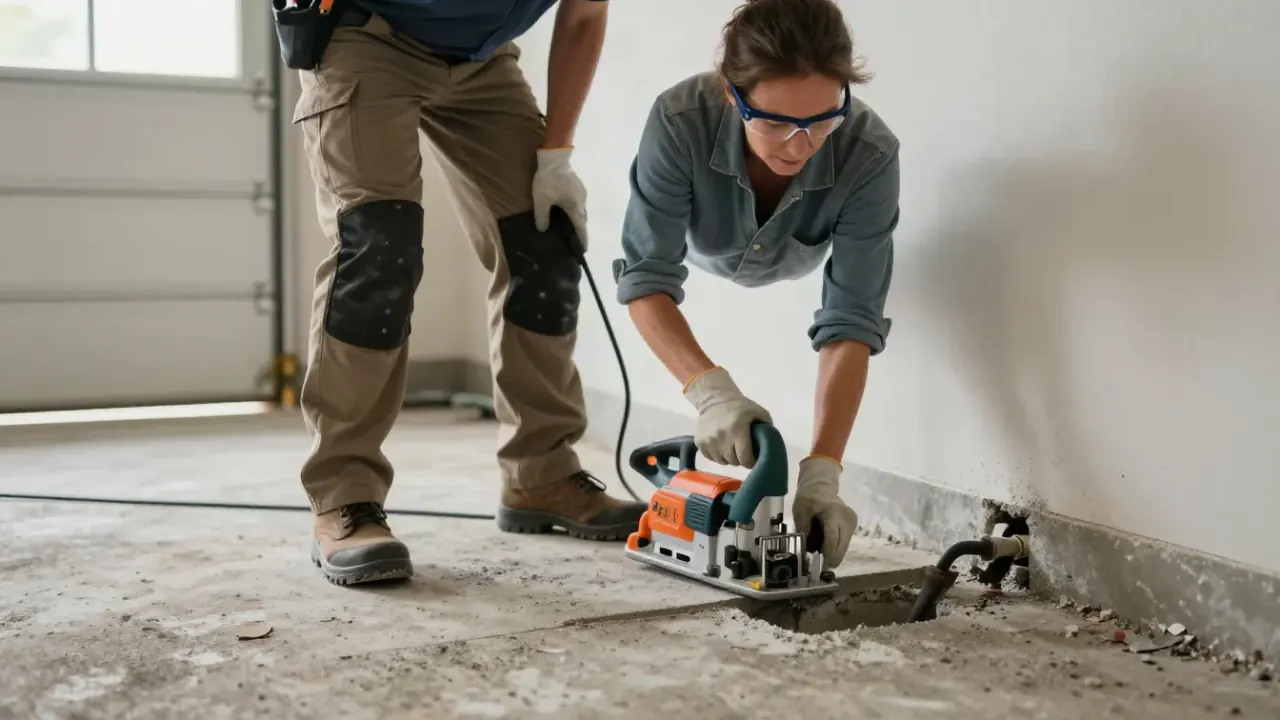
Once we pinpoint a slab leak under your commercial floor, we repair the line with trenchless methods or a targeted access point. Spring clay soil makes slab movement common, so we fix the pipe and check for a second leak nearby.
View serviceA commercial water bill that jumps 40 percent with no change in occupancy means a leak. We compare meter readings against fixture use, isolate zones, and find the source. Most investigations finish in under three hours.
View service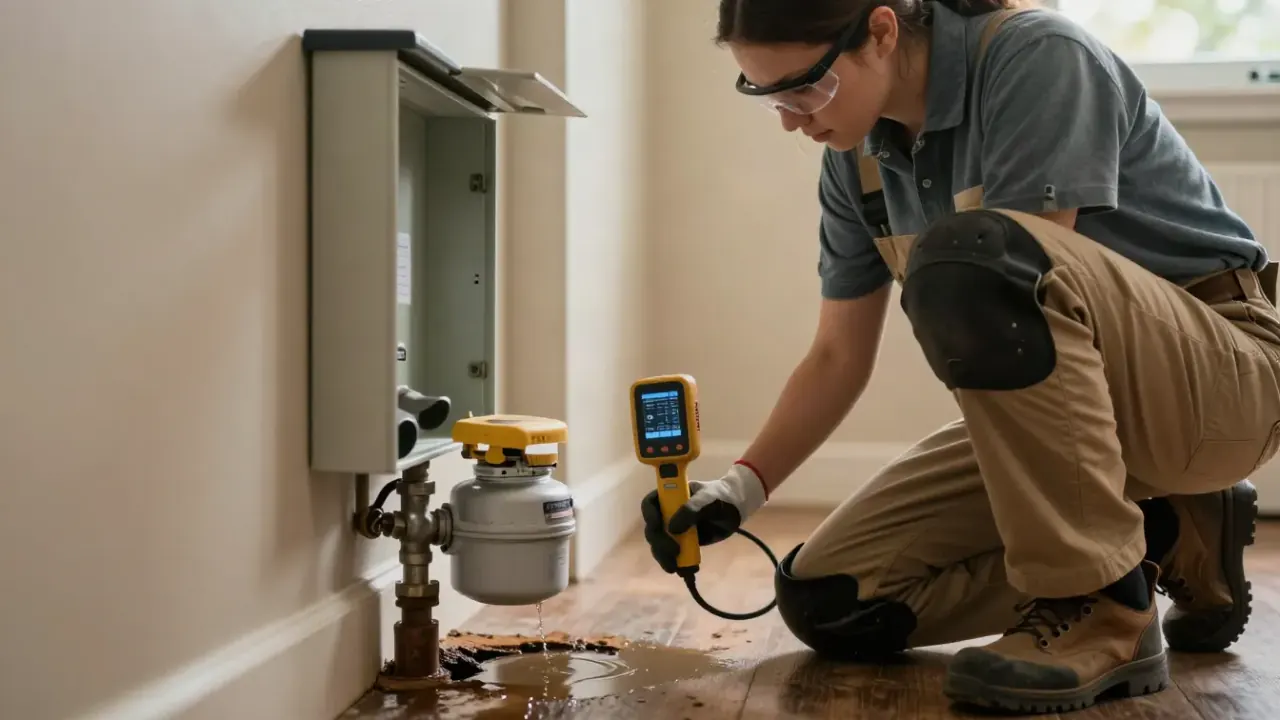
If your meter spins with every fixture off, water is escaping somewhere on the property. We test the service line, irrigation, and building loop separately to tell you which side of the meter the leak is on before you dig.
View serviceThe line from the city main to your building is a common leak point, especially in older Spring commercial corridors. We locate the break with a pipe locator and repair it with minimal excavation, then pressure-test the new section.
View service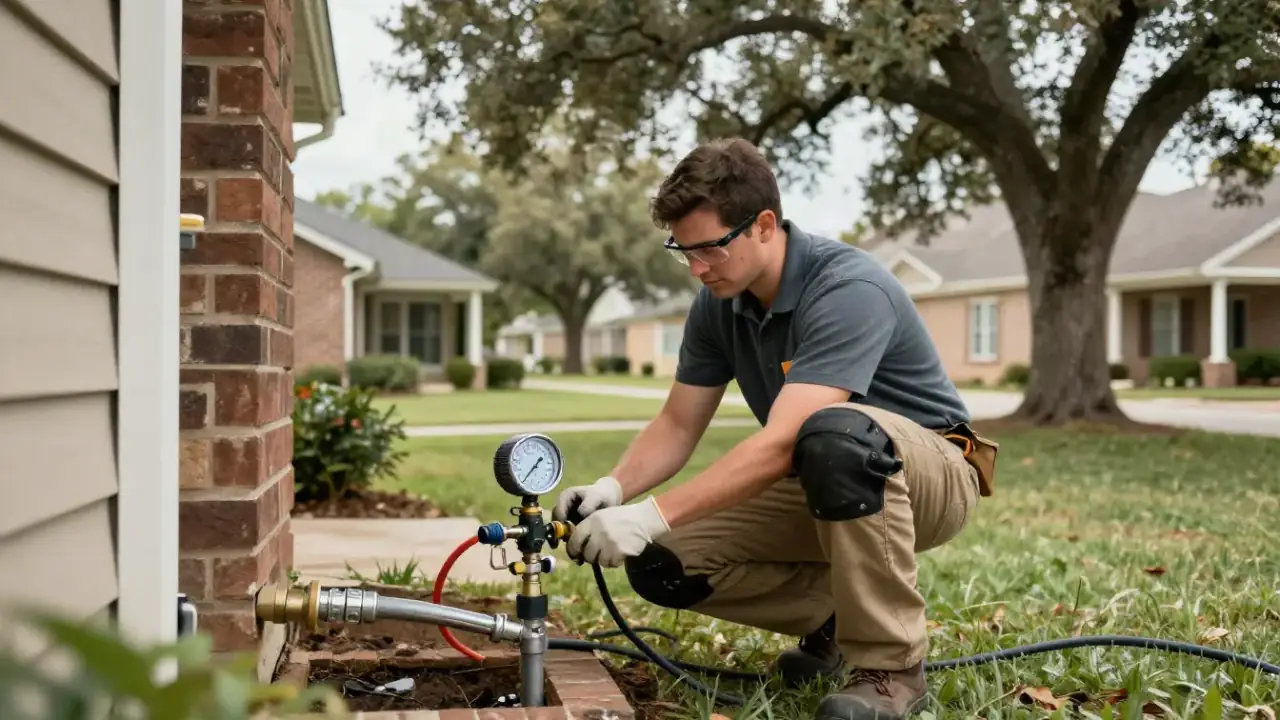
Call (281) 248-8538 and we will get a licensed tech scheduled, usually the same day. We answer the phone 24/7 for active leaks, and we cover Spring, Harris County, and the surrounding communities. Tell us what you are seeing and we will bring the right gear.